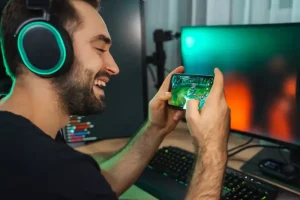

Mobile gaming has become one of the most accessible forms of digital entertainment. Smartphones allow people to play games almost anywhere without purchasing expensive gaming equipment. Among the different mobile gaming formats, multiplayer experiences have gained particular attention. They combine entertainment, competition, and social interaction in one environment. Players can enjoy quick matches with friends or participate in demanding competitions against opponents worldwide. This flexibility appeals to casual gamers and dedicated competitive players alike. The continued multiplayer games mobile growth reflects several important changes in technology and consumer behavior. Better smartphones, faster internet connections, free-to-play models, and active gaming communities have made online experiences more attractive. Developers are also introducing features that encourage players to return regularly. However, popularity alone does not guarantee long-term success. Games must provide fair competition, reliable performance, accessible controls, and meaningful social experiences. Understanding these factors explains why mobile multiplayer gaming continues to expand across different markets and age groups.
The Global Shift Toward Multiplayer Entertainment on Smartphones
Smartphones have changed how people access digital entertainment. Mobile games were once associated mainly with simple puzzles, arcade challenges, and individual activities. Today, many titles offer detailed environments, real-time competition, cooperative missions, and international matchmaking. These developments have made smartphones important gaming platforms.One major reason behind this transition is accessibility. Most players already carry a smartphone, which reduces the need for additional equipment. They can download a game, create an account, and begin playing within minutes. Affordable devices have also introduced gaming to audiences who may not own computers or consoles.Internet availability has supported this expansion. Wi-Fi and mobile data allow players to connect with friends and strangers across different locations. Regional gaming communities have grown, while international titles introduce players to wider audiences.Changing entertainment habits also contribute to this trend. People increasingly prefer flexible activities that fit around work, education, and personal responsibilities. Multiplayer games offer short sessions without removing the possibility of longer competitive experiences.However, global growth does not happen automatically. Developers must consider language preferences, local payment methods, device performance, and regional internet conditions. A successful game needs to work across different economic and technical environments. This makes localization and device optimization important parts of international expansion.
Why Casual Gamers Are Embracing Multiplayer Experiences
Casual players represent an important audience for mobile multiplayer games. They often want entertainment that does not require extensive training or a strict playing schedule. Multiplayer formats provide social interaction without demanding professional-level skills.Many games use simple mechanics that help beginners understand the experience quickly. Players can participate in matches, complete challenges, and earn rewards without spending hours learning complicated systems. This approach makes gaming more welcoming to people with different experience levels.Casual multiplayer games also offer variety. Some focus on puzzles and word challenges, while others include racing, sports, simulation, or cooperative adventures. Players can select experiences that match their interests and available time.Developers benefit from this flexibility because it supports a broader audience. However, simplicity should not mean a lack of depth. Casual players still appreciate progression, interesting challenges, and opportunities to improve. Games that combine easy entry with optional advanced mechanics can serve both beginners and experienced users.
Accessible Gameplay for Different Experience Levels
Accessibility begins with clear controls and understandable instructions. New players should be able to recognize important actions without navigating complicated menus. Tutorials, practice modes, and gradual difficulty levels can make the first experience less intimidating.Customizable controls are equally useful. Players have different screen sizes, hand positions, and comfort preferences. Adjustable button layouts and sensitivity settings help them develop a comfortable playing style.Developers should also avoid making early progression unnecessarily difficult. If beginners repeatedly lose against highly experienced players, they may stop playing. Skill-based matchmaking can create more balanced experiences by grouping participants with similar abilities.Another useful strategy is introducing optional complexity. A game can begin with simple objectives and gradually introduce advanced mechanics. This allows players to develop confidence while maintaining opportunities for long-term improvement.
Short Gaming Sessions and Everyday Convenience
Convenience is one of the strongest advantages of mobile gaming. Players can complete a quick match during a break, while travelling, or between daily activities. Short sessions make multiplayer experiences easier to fit into busy schedules.Game design influences how practical these sessions become. Fast matchmaking, short loading times, and clear objectives reduce unnecessary waiting. Players are more likely to return when they can enjoy meaningful progress without committing several hours.However, developers should be careful with reward systems that encourage excessive play. Daily challenges and limited-time events can increase engagement, but constant pressure may create frustration. Flexible participation and reasonable event durations support a healthier relationship with gaming.
Competitive Gaming and the Rise of Mobile Esports
Mobile gaming has developed beyond casual entertainment. Competitive titles now include ranked matches, professional teams, organized tournaments, and international events. These opportunities have created new reasons for dedicated players to invest time in improving their skills.Competitive mobile games often include structured ranking systems. Players earn ratings based on match performance and compete against opponents with comparable abilities. Seasonal competitions introduce additional goals and encourage consistent participation.Streaming platforms have also increased the visibility of mobile esports. Content creators share gameplay, explain strategies, and participate in competitive events. Their content can introduce new audiences to games and help experienced players develop their techniques.The growth of competitive gaming also creates commercial opportunities. Tournament organizers, sponsors, content creators, and professional teams contribute to a broader ecosystem. However, a sustainable competitive environment requires transparent rules, reliable servers, and consistent tournament organization.
Skill Development, Rankings, and Competitive Rewards
Ranked systems give players measurable goals. They can track improvement, identify weaknesses, and compare their performance with other participants. Achievements and seasonal rewards provide additional motivation.However, ranking systems must reward genuine skill rather than excessive playtime or spending. Matchmaking should consider relevant performance indicators and adjust when players improve. Poorly designed systems may place beginners against highly experienced opponents or allow players to manipulate rankings.Players can improve their competitive performance through deliberate practice. Reviewing match outcomes, learning maps, understanding character abilities, and studying team strategies can produce better results than playing repeatedly without reflection.Developers should also provide clear information about ranking changes. Transparent progression systems help players understand why they gain or lose points. This builds trust and makes competition more meaningful.
Social Connections That Turn Gaming Into a Shared Experience
Social interaction is another major reason multiplayer games attract worldwide audiences. Players do not always join a game simply to win. Many participate because they enjoy spending time with friends, meeting new people, and working toward shared goals.Team-based missions encourage cooperation. Players may need to share resources, protect teammates, complete objectives, or develop coordinated strategies. These activities create experiences that are difficult to reproduce in traditional single-player games.Clans and guilds strengthen these connections. They provide organized spaces where members can communicate, participate in events, and support each other. Regular group activities can encourage long-term participation.Communication tools also make teamwork easier. Voice chat, text messaging, quick commands, and invitation systems allow players to coordinate during matches. Developers should provide alternatives for users who cannot or do not want to communicate through microphones.Community safety remains essential. Harassment, bullying, spam, and inappropriate communication can discourage participation. Reporting systems, privacy controls, moderation tools, and clear behavioral policies help create more welcoming environments.A strong community strategy should reward positive interaction. Developers can recognize helpful teammates, cooperative achievements, and constructive participation. This approach encourages players to contribute to the community rather than focusing exclusively on individual rankings.
Technology Driving Multiplayer Games Mobile Growth
Technological improvements have made mobile multiplayer experiences more sophisticated. Modern processors can support detailed graphics and complex game mechanics. Improved memory, displays, and battery technology also help smartphones handle demanding applications.Network infrastructure plays an equally important role. Multiplayer games depend on constant communication between devices and servers. Faster connections and better server management can reduce delays and support larger player communities.Cloud technology may also change how developers distribute demanding experiences. Some processing tasks can be handled remotely, reducing the hardware requirements on individual devices. However, this approach depends on stable internet access and suitable server locations.Game optimization remains important because smartphone capabilities vary widely. Developers should test their products on different devices rather than focusing only on premium models. Adjustable graphics, efficient resource management, and lightweight updates can make games accessible to more people.
Better Connectivity and More Responsive Gameplay
Reliable connectivity is essential for real-time multiplayer experiences. Latency measures how long data takes to travel between a player’s device and a server. High latency can make actions feel delayed. Packet loss can cause missing information, while jitter creates inconsistent response times.These problems are particularly noticeable in competitive shooters, racing games, and fast-paced sports titles. A small delay may affect movement, aiming, or timing. Strategy games may tolerate slightly higher latency, but consistent connections still improve the experience.Wi-Fi, 4G, and 5G networks offer different performance characteristics. A stable Wi-Fi connection may work well at home, while mobile data provides flexibility outside. Although 5G can offer lower latency and higher capacity in supported areas, actual performance depends on coverage and network congestion.Developers should use regional servers and efficient matchmaking systems to reduce unnecessary connection distances. Players can help by moving closer to their routers, avoiding large downloads during matches, and checking whether background applications are consuming bandwidth.
Cross-Platform Compatibility and Wider Player Access
Cross-platform compatibility allows players on supported devices to participate in the same game. For example, smartphone users may be able to play with friends using computers or consoles.This functionality makes multiplayer communities more accessible. Friends do not need identical devices to participate together. Larger player populations can also improve matchmaking and reduce waiting times.Cross-progression adds another advantage by allowing players to access synchronized progress across supported platforms. They may be able to switch devices without losing achievements or unlocked content.However, cross-platform design introduces balancing challenges. Touchscreen controls differ from keyboards and controllers. Developers must consider these differences when creating competitive matchmaking systems. Separate input-based queues and customizable controls can help maintain fairness.
Business Models and Community Strategies Behind Popular Games
Business models influence how mobile multiplayer games attract and retain players. Free-to-play systems reduce the initial financial barrier. Players can download a game and explore its features before deciding whether to make purchases.Revenue often comes from cosmetic upgrades, subscriptions, seasonal passes, and optional content. Cosmetic items allow players to customize characters without necessarily affecting gameplay. This model can support competitive fairness when purchases do not provide significant advantages.Regular updates also contribute to long-term engagement. New maps, characters, seasonal events, and limited-time challenges give players fresh activities. However, updates should improve the experience rather than introduce unnecessary complexity.Developers can use player feedback and gameplay data to identify problems. They may examine matchmaking times, session length, progression patterns, and points where users stop participating. These insights can guide improvements.The challenge is balancing commercial goals with player satisfaction. Aggressive monetization can reduce trust, especially when important gameplay advantages are locked behind purchases. Transparent pricing, meaningful free content, and reasonable reward systems support more sustainable growth.
Challenges That Could Influence Future Market Expansion
Despite its popularity, mobile multiplayer gaming faces several challenges. Competition between titles is intense. Players can easily switch to another game when updates become repetitive or communities lose activity. Developers must provide meaningful improvements without overwhelming users with constant changes.Cheating is another serious concern. Modified applications, unauthorized software, and automated tools can undermine competitive fairness. Effective anti-cheat technology, account security, and consistent enforcement are necessary to protect legitimate players.Privacy and online safety also require attention. Multiplayer games may collect account information, communication data, and gameplay activity. Developers should explain their data practices and provide practical privacy controls. Younger audiences may require additional protections.Technical limitations can restrict participation. Older smartphones may struggle with demanding graphics, while limited storage and expensive mobile data can prevent players from downloading updates. Battery consumption and overheating may also affect longer sessions.Developers can address these issues through lighter game versions, adjustable graphics, optimized updates, and responsible data management. Community moderation and accessible support systems are equally important. Long-term growth depends on making multiplayer gaming enjoyable and safe for different audiences.
What the Next Generation of Mobile Multiplayer Gaming Could Look Like
Future multiplayer experiences may become more personalized and technically advanced. Artificial intelligence could help improve matchmaking by analyzing player performance and identifying suitable opponents. It may also support moderation by detecting suspicious behavior and harmful communication patterns.Cloud gaming could make more demanding titles available on smartphones with limited processing power. However, developers will need to address latency, server availability, and data costs before this approach becomes practical for wider audiences.Immersive technologies may introduce new ways to interact with other players. More advanced augmented reality features and shared virtual environments could create different forms of social entertainment.Emerging markets may also contribute to future expansion. Affordable smartphones, improved mobile networks, and localized game content can introduce multiplayer experiences to new communities.The most successful developers will combine technical innovation with responsible design. Better accessibility, fair monetization, strong privacy controls, and healthy communities will remain important as the industry evolves.
Conclusion
The popularity of mobile multiplayer gaming comes from its ability to combine convenience, competition, and social interaction. Casual players enjoy accessible gameplay and flexible sessions, while competitive gamers value rankings, tournaments, and opportunities to improve their skills. Technological improvements, cross-platform compatibility, and free-to-play models have expanded access to these experiences. However, sustainable multiplayer games mobile growth requires more than attracting new downloads. Developers must address cheating, privacy, network reliability, device limitations, and unfair monetization. Players also benefit from choosing games that match their interests, devices, and available time. As mobile technology advances, multiplayer gaming will continue to connect diverse audiences. Its future success will depend on delivering reliable performance, meaningful communities, and enjoyable experiences that keep players engaged without compromising fairness or trust.